
Community
Texas' new attorney general composed music for nearly 70 'Dragon Ball Z' episodes
By Marcus Chen
Advertisement · Why this ad?
Marcus manages the day-to-day editorial workflow across all brands, coordinating coverage assignments and ensuring editorial standards are met. He previously served as city editor at the Pioneer Press and holds a degree in Political Science from Carleton College.
More from Marcus →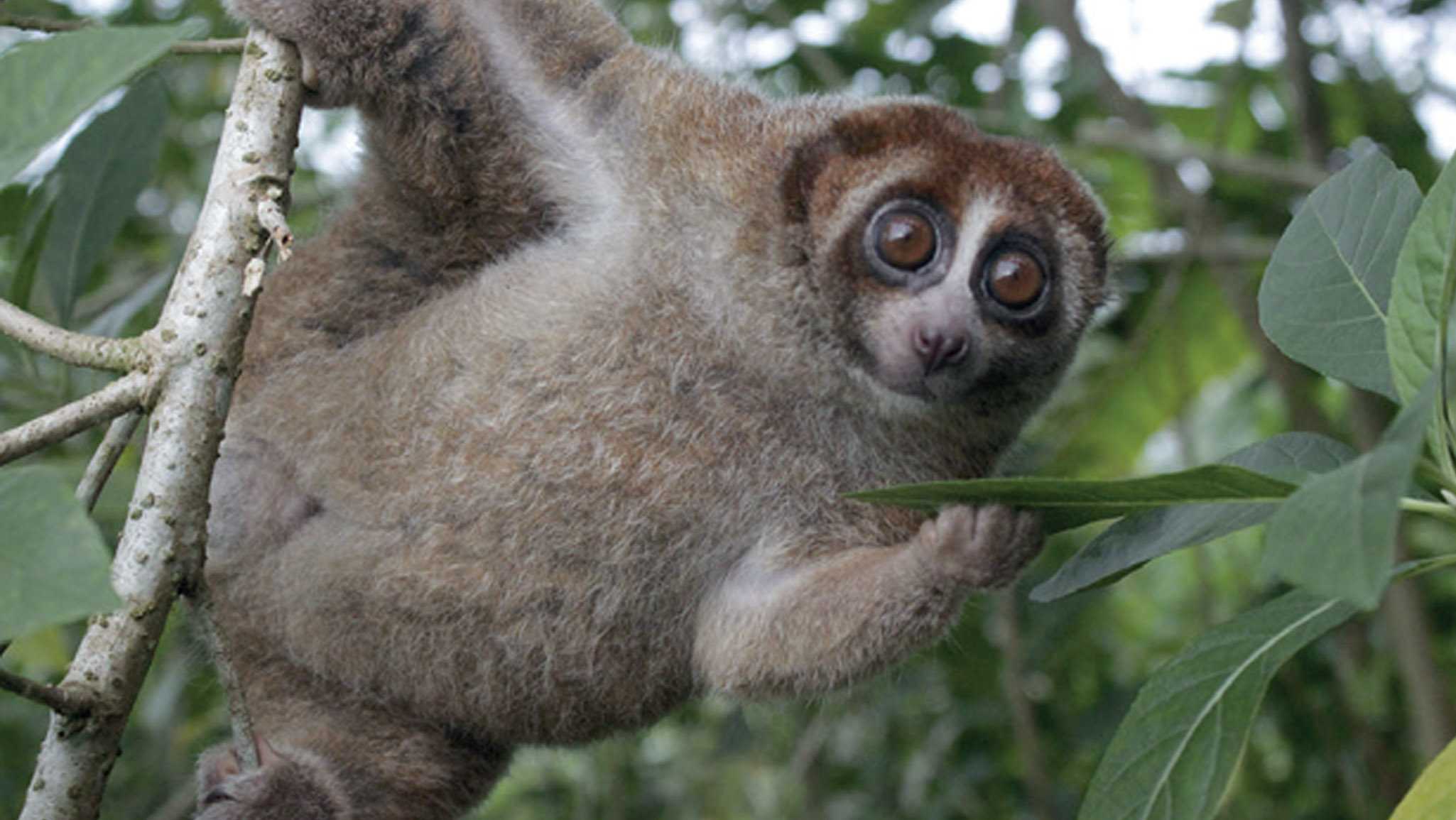
In a quiet corner of Indonesia’s Bangka Island, a creature once thought lost to history is making headlines again. Imagine a tiny primate, no bigger than a squirrel, with a venomous bite and a secret survival story spanning decades. That’s the Bangka slow loris, a species long presumed extinct, now confirmed to be alive and thriving—hidden in plain sight. This discovery is more than a scientific breakthrough; it’s a testament to resilience and the importance of community-led conservation efforts, especially in regions where human activity has significantly altered natural landscapes.
Researchers from the Alobi Wildlife Rescue Center have documented over 90 Bangka slow lorises since 2015, with 86 released back into their natural habitat. The species, listed as critically endangered by the IUCN, had not been recorded in scientific literature since 1937, fueling fears it had vanished entirely. Yet, rescue reports reveal frequent sightings—some lorises found in homes, gardens, and even on roads—indicating they are not only surviving but also adapting to human-altered landscapes.
The rescue center's data shows 16 animals rescued since 2021 were discovered in human dwellings, and six were recovered from roads, often with burns from electric shocks. These findings suggest that the lorises are living close to people, often in urban fringe areas, which complicates efforts to protect their habitat. Their ability to hide in plain sight underscores the importance of community awareness and proactive conservation measures, especially in a region where local livelihoods are intertwined with the land.
Like other slow lorises, the Bangka species is venomous—its glands near the elbows produce a secretion that, when mixed with saliva, can deliver a painful bite. This defense mechanism, once thought to be a rare trait among primates, highlights the delicate balance of these primates’ survival strategies. Habitat destruction from tin mining, palm oil plantations, and expanding settlements has severely fragmented their environment, pushing the species to the brink of extinction.
Experts emphasize that protecting what remains of their forest habitat is critical. The report recommends establishing a breeding program and ongoing monitoring of released animals to better understand their population dynamics. These steps are vital for ensuring the species' long-term survival and for correcting the misconception that they are extinct, which has significant implications for conservation priorities in Indonesia and beyond.
The discovery has sparked hope among local communities and conservationists alike. Residents of Bangka Island, many of whom have encountered lorises in their gardens or on their property, now see these shy creatures in a new light. Community leaders are advocating for increased awareness about the species’ plight, emphasizing that coexistence is possible if people understand the loris’s role in the ecosystem and the importance of preserving their habitat.
Local conservation groups are working with the Alobi Wildlife Rescue Center to develop educational programs aimed at reducing accidental harm—like electric shocks or habitat destruction—caused by human activity. Many residents value the loris’s uniqueness and recognize its importance as part of their island’s natural heritage. This community engagement is crucial for fostering a protective environment that allows the species to recover naturally, and it also offers economic opportunities through eco-tourism initiatives.
Despite the promising signs, challenges remain. The species’ critically endangered status means legal protections are essential, yet enforcement is inconsistent. The report calls for reassessment of the IUCN’s “possibly extinct” listing, urging authorities to recognize the loris’s resilience. Strengthening anti-poaching laws and curbing illegal pet trade are also vital steps toward safeguarding their future.
Conservationists stress that collaboration between government agencies, local communities, and international partners is key. Protecting the remaining forests from illegal logging and mining activities will give the loris a fighting chance. The hope is that, with concerted effort, the species can rebound—restoring a piece of Indonesia’s natural legacy that was thought lost forever. This process involves not only policy changes but also empowering local communities to become stewards of their environment, fostering sustainable practices that benefit both people and wildlife.
Looking ahead, researchers plan to expand habitat protection initiatives and establish dedicated breeding programs. Monitoring released lorises will help assess their adaptation and survival rates, providing data critical for future conservation strategies. The discovery also underscores the importance of community involvement in wildlife preservation, especially in regions where human activity encroaches on natural habitats.
Additionally, local authorities are considering eco-tourism opportunities centered around the loris, which could boost awareness and economic development while promoting conservation. Such initiatives could provide sustainable income for local residents, reducing reliance on destructive activities like illegal logging or mining. The story of the Bangka slow loris reminds us that even the most elusive creatures can endure if communities and conservationists work hand in hand. Their survival is a testament to faith—faith in nature’s resilience and in our shared responsibility to protect it.
As the world watches this remarkable comeback, it’s a call to action for all of us. Preserving these gentle, venomous primates isn’t just about saving a species; it’s about safeguarding a vital part of our natural heritage and the communities that cherish it. The Bangka slow loris’s story is a reminder that hope, combined with effort, can turn the tide for even the most endangered species.
This discovery holds profound significance for the residents of Bangka Island, a place where traditional livelihoods—such as fishing, small-scale agriculture, and increasingly, eco-tourism—are intertwined with the island’s rich biodiversity. The local community has a deep cultural connection to their natural environment, with many elders recounting stories of the island’s once-abundant wildlife, including the elusive loris.
In recent years, however, economic pressures have led to increased habitat destruction, notably through illegal logging and unregulated land clearing for plantations. These activities threaten not only the loris but countless other species that form the foundation of the island’s ecological balance. Recognizing the loris’s presence as part of their natural heritage has sparked a renewed sense of pride and responsibility among residents. Several community leaders have begun advocating for stricter enforcement of conservation laws and for integrating traditional knowledge into modern conservation practices.
Furthermore, the local government of Bangka is considering policies that promote sustainable tourism centered around wildlife observation, which could provide alternative income sources and foster environmental stewardship. This approach aligns with Indonesia’s broader goals of balancing economic development with conservation, especially on islands where fragile ecosystems are under constant threat.
To capitalize on this momentum, local organizations plan to hold workshops and educational campaigns aimed at informing residents about the loris’s ecological role and the importance of habitat preservation. These programs aim to reduce accidental harm from electric shocks, habitat encroachment, and illegal pet trade, which are ongoing threats. Additionally, involving local youth in conservation projects is seen as a vital step toward ensuring long-term protection. By empowering the next generation with knowledge and a sense of stewardship, the community can become a true guardian of their natural heritage.
The rediscovery of the Bangka slow loris is a powerful reminder to the global conservation community that even species presumed extinct can still be found in the wild. It underscores the importance of local efforts, community involvement, and adaptive management strategies in conservation success stories. Many species around the world are facing similar threats—habitat loss, illegal trade, and climate change—and this case offers hope that with persistence and cooperation, recovery is possible.
International organizations, such as the World Wildlife Fund and Conservation International, are watching closely, advocating for increased funding and support for similar projects worldwide. The case of the Bangka loris may serve as a model for other regions where species are teetering on the brink of extinction but still hold a chance for revival if given proper attention and resources.
In conclusion, the story of the Bangka slow loris is not just about a small primate surviving against the odds; it’s about the power of community, resilience, and hope. It reminds us that our efforts to protect the natural world are interconnected, and that even in the face of overwhelming challenges, persistence and cooperation can yield extraordinary results.
By Marcus Chen

By Katherine Langford
By Katherine Langford
By Katherine Langford